Table of contents
The world of nicotine consumption is undergoing a quiet revolution, with a shift from traditional tobacco products towards innovative, tobacco-free oral nicotine alternatives. This trend isn’t just a passing fad but a response to increasing health awareness, regulatory pressures, and evolving consumer preferences. Delve deeper to discover the driving factors, health implications, regulatory landscapes, and what this transformation might mean for the future of nicotine use.
The rise of oral nicotine
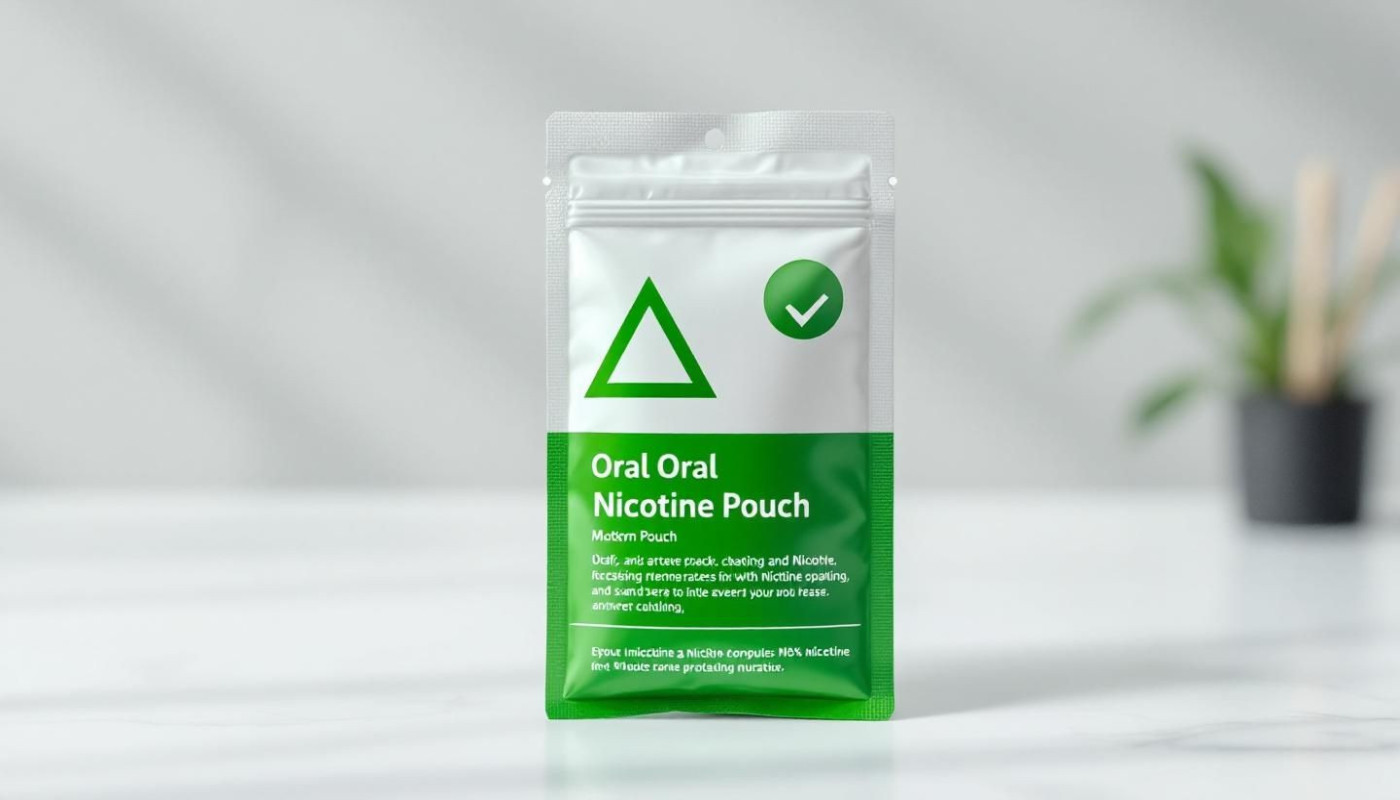
Oral nicotine products are rapidly reshaping the landscape of smokeless alternatives, with increasing numbers of consumers turning to tobacco-free options like nicotine pouches. Market data reveals a consistent upward trajectory in the popularity of these products, attributed to evolving consumer trends and heightened awareness of health risks linked to combustible tobacco use. Unlike traditional tobacco products, oral nicotine utilizes transmucosal delivery, allowing nicotine to be absorbed efficiently through the oral mucosa. This method provides a discreet and convenient experience, appealing to both existing smokers seeking harm reduction and new users attracted by the absence of tobacco leaf and associated odors.
Demographic shifts are also noteworthy, as a broader age range and a more diverse consumer base begin to experiment with tobacco-free products. Public perception has shifted due to increased communication around the relative safety and convenience of nicotine pouches compared to traditional forms of consumption. As regulations tighten around smoking in public spaces and interest in wellness rises, the adoption of oral nicotine is expected to accelerate. The combination of innovation in product formulation, changing social norms, and ongoing education continues to fuel this significant growth within the nicotine market.
Health implications and safety
Transitioning from smoked or chewed tobacco to tobacco-free oral nicotine products presents a shifting landscape regarding health risks and safety. Biomarker analysis provides a scientific method to quantify exposure to toxicants, revealing that tobacco-free products generally result in lower levels of harmful substances compared to traditional tobacco use. Smoked tobacco introduces a wide array of carcinogens and toxic chemicals, directly impacting lung and cardiovascular health, while chewed tobacco is linked to oral cancers and gum disease. In contrast, tobacco-free products typically eliminate combustion byproducts and nitrosamines, resulting in a notably reduced harm profile.
Nicotine effects persist regardless of the delivery system, as nicotine remains a highly addictive substance with cardiovascular and neurological consequences. Nonetheless, users of tobacco-free products experience fewer adverse effects related to oral health, such as periodontal disease or lesions, when compared to those using traditional products. The absence of tar, combustion gases, and many known carcinogens in these new formulations positions them as a less risky choice for current nicotine users. Biomarker studies consistently indicate a marked decrease in exposure to substances associated with cancer and cardiovascular disease when switching to tobacco-free alternatives.
Oral health outcomes also reflect positive changes following the adoption of tobacco-free products. Evidence shows less staining, reduced risk of oral mucosal lesions, and improved gum health versus conventional tobacco use. While the complete risk profile of long-term nicotine usage warrants continued research, current findings suggest that the move towards tobacco-free products can offer significant advantages in reducing overall health risks and improving quality of life for those unable or unwilling to quit nicotine entirely. As scientific understanding evolves, ongoing biomarker analysis remains vital for accurately assessing the safety and health implications of these emerging nicotine delivery systems.
Consumer motivations and behavior
Growing user preferences for tobacco-free oral products can be attributed to a combination of convenience, discretion, and expanded flavor choices. As social attitudes towards traditional nicotine habits evolve, individuals are increasingly seeking alternatives that fit seamlessly into their daily routines without the stigma or health risks tied to combustible tobacco. The discrete nature of these products allows users to manage their nicotine intake in environments where smoking or vaping might be prohibited or socially discouraged. Diverse flavor options further stimulate behavioral reinforcement by keeping the experience varied and appealing, catering to those who may otherwise be deterred by the harshness or monotony of conventional tobacco products.
Lifestyle trends emphasizing health consciousness and personal autonomy have also contributed to the shift towards tobacco-free oral nicotine solutions. Many adults are attracted to these alternatives due to a perception of reduced harm and enhanced control over their nicotine consumption. Brands like NEOpouches in the UK exemplify how the market is responding to evolving demand for safer and more customizable experiences. This transformation in nicotine use reflects a broader trend in which behavioral choices are influenced not just by addiction, but by a desire for practical solutions that align with modern living.
Regulatory landscape and challenges
Nicotine regulations governing tobacco-free oral nicotine products are rapidly evolving as public policy makers strive to keep pace with market innovation and shifting consumption patterns. Many countries are revisiting their legal status frameworks, with some classifying these products separately from traditional tobacco items due to the absence of combustible tobacco. Labeling laws are becoming increasingly specific, requiring manufacturers to provide clear information on nicotine content, health risks, and usage instructions. Some jurisdictions mandate health warnings akin to those seen on cigarette packs, while others are developing unique compliance frameworks for these new products.
Age restrictions are universally recognized across most nations, with the minimum age for purchase often set at 18 or 21 to align with existing tobacco control measures. Advertising policies also reflect heightened scrutiny, frequently banning or tightly regulating promotional activities that could appeal to minors or misrepresent health impacts. Market access barriers remain, such as requirements for pre-market notification, ingredient disclosure, and adherence to quality standards. As governments review their approaches, manufacturers must navigate a complex and shifting regulatory landscape, balancing innovation with strict adherence to evolving compliance frameworks to maintain market presence and consumer trust.
The future of nicotine consumption
As the tobacco-free evolution accelerates, the nicotine industry is witnessing a wave of disruptive innovation, transitioning away from combustible products to oral nicotine pouches and lozenges. Future trends indicate a dynamic market outlook, with rapid product diversification and refinement of delivery mechanisms to enhance user experience and reduce harm. Companies are investing in advanced formulations, including controlled-release technologies and plant-based carriers, positioning these products as a safer alternative for adult nicotine users. This shift is not only driven by consumer demand for discreet, smoke-free options but also by stricter regulations and public health advocacy targeting combustible tobacco. In the coming years, the nicotine innovation landscape is expected to see further convergence with digital health tools, such as usage tracking apps and personalized dosing algorithms, supporting responsible consumption.
The public health impact of these developments could be substantial, as reduced exposure to toxicants associated with smoking may lower disease burdens linked to traditional tobacco use. Policymakers and health organizations are closely monitoring these market trends to evaluate how tobacco-free oral products fit within harm reduction frameworks. The market outlook predicts increased competition, strategic partnerships, and regulatory clarity, which may facilitate broader adoption and accessibility. As disruptive innovation continues to reshape the nicotine sector, stakeholders must balance innovation, consumer safety, and effective communication to realize the full benefits of this tobacco-free evolution.
Similar articles

Some benefits of plant proteins

What are the origins of the different types of musical instruments?

A few reasons to do conversational marketing
Some benefits of plant proteins
